
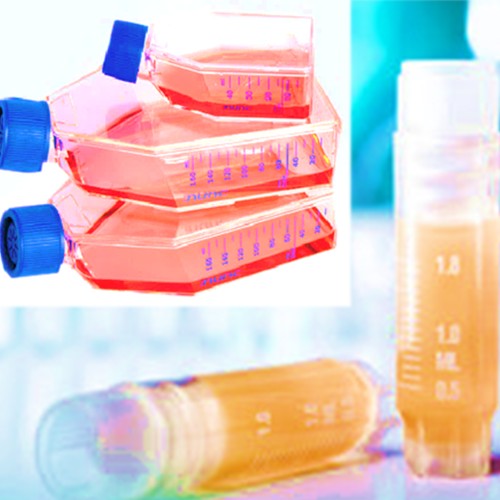
Description
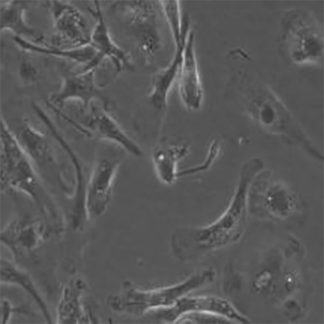
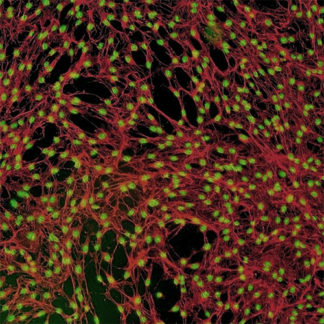
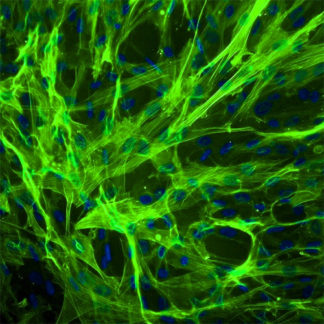
Esophageal fibroblasts are located in the upper and lower lamina propria of the esophagus and are mesenchymal cells derived from the embryonic mesoderm. They secrete a non-rigid extracellular matrix rich in type I and/or type III collagen. Fibroblasts are responsible for most of the extracellular matrix synthesis in connective tissue and play a central role in wound healing. They have been widely used in extensive cellular and molecular research because they are one of the cell types easiest to grow in culture. In addition, their robustness makes them suitable for various procedures ranging from gene transfection to microinjection. Esophageal fibroblasts have been shown to promote angiogenesis induced by esophageal squamous cell carcinoma through the TGF‑β and VEGF signaling pathways.
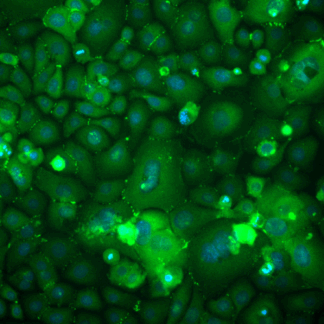
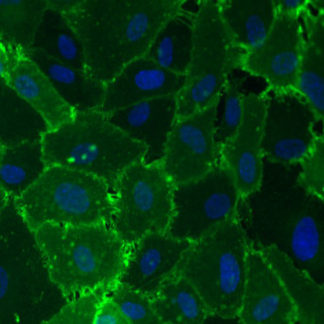
Immortalized Human Esophageal Fibroblasts were transduced with lentivirus carrying the SV40 gene and puromycin resistance. Tests confirmed that the cells are free from bacterial and fungal contamination, exhibit excellent proliferation potential, and can be passaged 10-20 times in vitro.
Reviews
There are no reviews yet.