

Description
NCI-H727 cell line is a human lung cancer cell line with epithelial morphology. The cells were derived from the lung carcinoid tumor tissue of a 65-year-old Caucasian female. This cell line was isolated from tissue before treatment. It is one of the best differentiated available bronchial carcinoid cell lines. NCI-H727 cells have the following features:
- can express readily detectable levels of p53 mRNA, comparable to levels found in normal lung tissue;
- are capable of synthesizing the peptide substance neuromedin B (NMB) (0.1 pmol/mg protein) but do not synthesize gastrin-releasing peptide (GRP);
- can secrete parathyroid hormone-like protein, stimulated by calcium via the protein kinase C pathway.
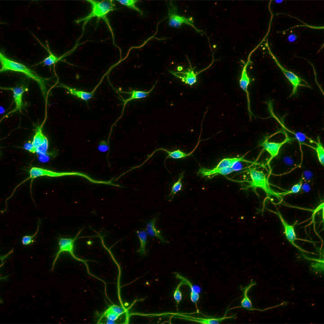
- express neuroendocrine markers such as synaptophysin, CD56, chromogranin A, and NSE, as shown by immunocytochemical staining;
- express mRNA for sstr1, 2, and 5 by RT-PCR, and showed protein expression of sstr1, 2A, and 5 in immunocytochemistry;
- Epidermal growth factor (EGF) receptor monoclonal antibodies can inhibit the growth of NCI-H727 cells. .
NCI-H727 cell line is important in the study of neuroendocrine tumors (NETs). For example, they are used to study the efficacy of peptide receptor radionuclide therapy (PRRT), a targeted treatment option for NET patients expressing somatostatin receptors.

Reviews
There are no reviews yet.